
Introduction:
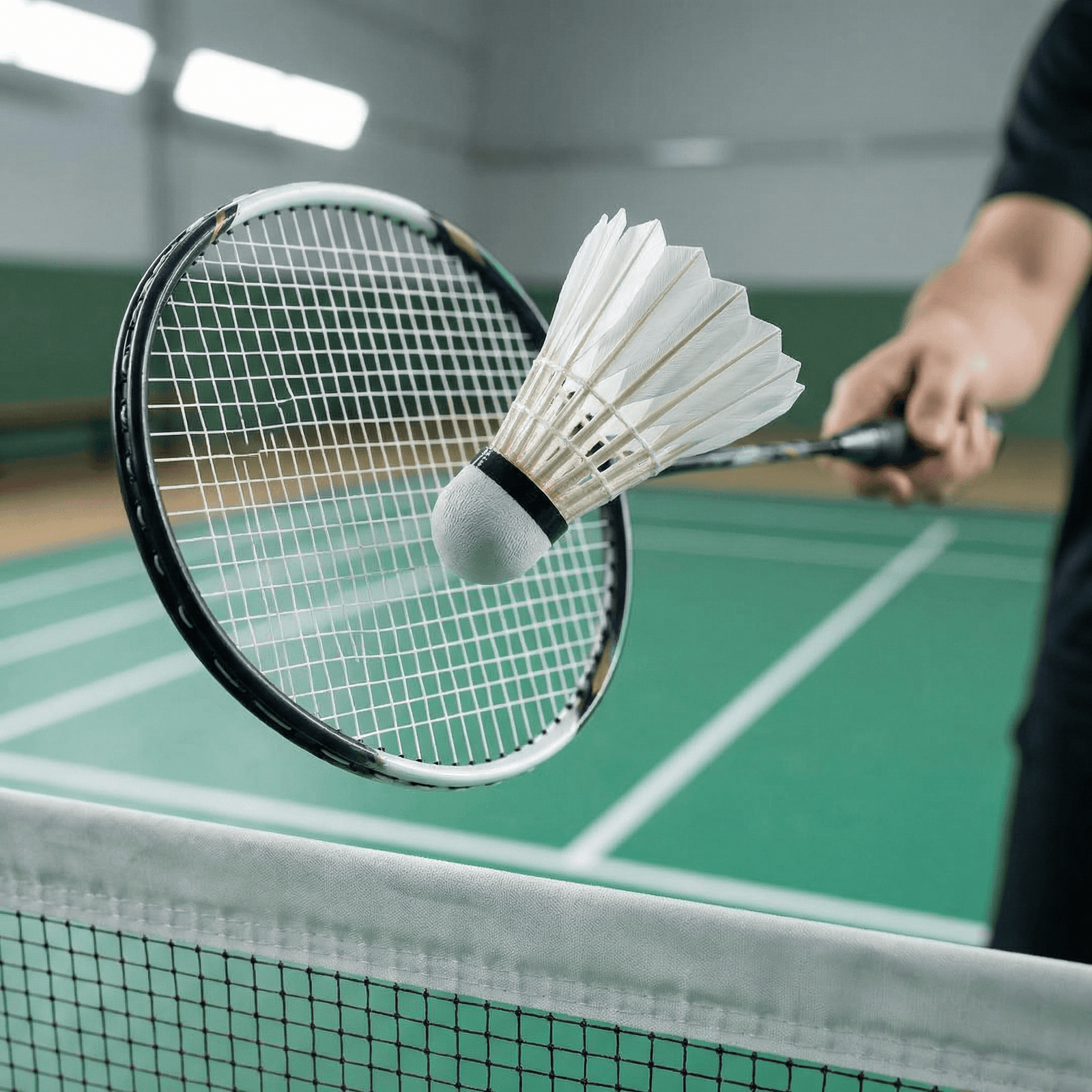
Feather badminton and nylon shuttlecocks are essential components of the game of badminton. While we often focus on the gameplay and techniques, have you ever wondered how these shuttlecocks are produced? In this blog post, we will explore the manufacturing processes of feather and nylon shuttlecocks, shedding light on the materials, craftsmanship, and quality control involved in creating these crucial elements of the sport. Let’s dive in and discover how to feather badminton (تنس الريشة) and nylon shuttlecocks are produced!
- Feather Badminton Shuttlecocks Production:
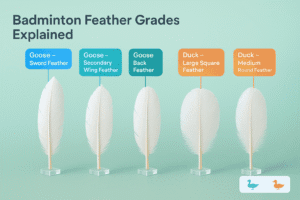
a. Feather Selection: Sealing feathers for shuttlecock production is crucial. Manufacturers carefully choose feathers based on their quality, strength, and consistency. Feathers from geese or ducks are preferred due to their durability and flight characteristics.
b. Feather Trimming: Skilled workers trim the feathers to remove any excess fluff or uneven parts. This step ensures that the feathers are uniform in shape and size, contributing to the shuttlecock’s stability and flight performance.
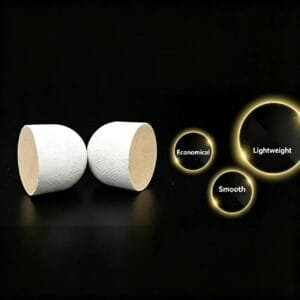
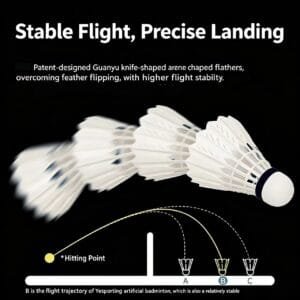
c. Feather Placement: The selected feathers are then manually inserted into the base of the shuttlecock, which is typically made of cork or synthetic materials. The feathers are strategically positioned at specific angles and orientations to achieve the desired flight trajectory and stability.
d. Binding: To secure the feathers in place, a binding process is employed. Thread or synthetic materials are used to tightly bind the feathers to the base. This ensures that the feathers remain intact during gameplay, even with intense shuttlecock impacts.
e. Quality Control: Each shuttlecock undergoes meticulous quality control checks. Factors such as weight, balance, and flight characteristics are assessed to ensure consistency across all shuttlecocks produced. Any shuttlecocks that do not meet the required standards are discarded or reworked.
- Nylon Shuttlecocks Production:
a. Mold Creation: The production of nylon shuttlecocks begins with the creation of molds. These molds are designed to replicate the desired shape and dimensions of the shuttlecock skirt. The molds are typically made from metal or other durable materials.
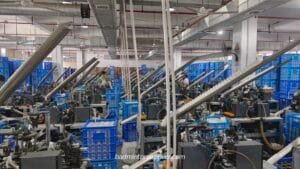
b. Material Injection: Synthetic materials, such as nylon or plastic, are injected into the molds under high pressure. This process ensures that the material fills the mold, taking on the precise shape and structure of the shuttlecock skirt.
c. Cooling and Setting: After injection, the shuttlecock undergoes a cooling process to solidify the synthetic material. This step is crucial in maintaining the shape and durability of the shuttlecock. Cooling time and temperature are carefully controlled to achieve optimal results.
d. Skirt Trimming: Once the shuttlecock has cooled and solidified, any excess material or imperfections are trimmed from the skirt. This step ensures a smooth and uniform appearance, enhancing the shuttlecock’s aerodynamic properties.
e. Quality Control: Similar to feather shuttlecocks, nylon shuttlecocks also undergo rigorous quality control checks. Weight, balance, flight characteristics, and durability are assessed to ensure that each shuttlecock meets the required standards. This ensures that players can rely on consistent performance during their games.
- Craftsmanship and Quality Control:
a. Feather Badminton: The production of feather badminton (Bulu tangkis) requires a high level of craftsmanship. Skilled workers with expertise in feather selection, trimming, and binding play a crucial role in creating shuttlecocks that offer optimal flight and control. The attention to detail and precision in the placement of feathers contribute to the overall quality of the shuttlecock.
b. Nylon Shuttlecocks: The production of nylon shuttlecocks involves advanced manufacturing techniques. Skilled technicians oversee the injection process, ensuring the synthetic material fills the molds accurately. The trimming process is also carried out with precision to achieve consistent skirt shapes. Quality control measures are implemented at various stages to guarantee that each shuttlecock meets the desired standards.
Conclusion:
The production of feather and nylon shuttlecocks involves a combination of craftsmanship, material selection, and quality control measures. High-quality Feather badminton (Cầu lông) shuttlecocks rely on the expertise of workers who carefully select, trim, and bind feathers to create a high-quality product. On the other hand, Nylon shuttlecocks utilize advanced manufacturing techniques to produce consistent and durable shuttlecocks. Understanding the intricacies of shuttlecock production enhances our appreciation for the craftsmanship and attention to detail that goes into creating these essential components of the game of badminton – (China’s leading high-quality badminton shuttlecock supplier factory manufacturer at wholesale prices for your premier badminton-sourcing solutions).